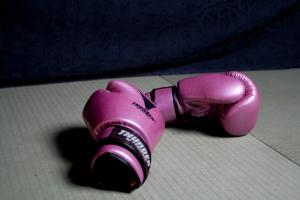
Taking care of your boxing gear is super important for your safety in the ring. Here are some simple tips to keep everything in top shape. Trust me, it makes a difference!
First off, always check your gloves before each session. Look for any signs of wear and tear, like fraying or scuffs. If you notice anything off, it’s better to replace them. Worn-out gloves can lead to injuries.
Next, make sure your mouthguard fits well. An ill-fitting mouthguard does more harm than good. A good mouthguard protects your teeth, jaw, and can even help prevent concussions. If it feels uncomfortable, get a custom fit.
Don’t forget about headgear, especially if you’re sparring. Always wear it to protect your noggin! Check for any cracks or damage on the padding. A sturdy, reliable headgear can save you from some serious knocks.
Finally, take care of your shoes. They need to provide solid grip and support. Inspect them regularly for any wear on the soles. Trust your feet – if they feel off, it impacts your performance and safety.
Understanding Protective Equipment Choices
When it comes to boxing, staying safe is key. Protective equipment is your first line of defense against those unexpected punches. Let’s break down the essentials to help you pick what suits you best.
Headgear is a must if you’re sparring or just starting out. It protects your face and head from hard hits. Look for headgear that has a snug fit, offers good visibility, and is comfortable enough for long sessions. Trust us, you want something that won’t slide around while you’re moving.
Don’t underestimate hand wraps. They’re simple but super effective. Wrapping your hands provides support to your wrists and knuckles, reducing the risk of injury. Pick a pair that’s easy to put on and stays secure during your training. Some even come with padding for extra protection.
Shin guards may not be on everyone’s radar, but they can make a big difference, especially if you're doing kickboxing or sparring sessions that involve kicks. They help absorb impact and protect your legs from unexpected strikes. Make sure they fit well and don’t restrict your movement.
Lastly, don’t forget about your mouthguard. It might not look like much, but it protects your teeth and helps prevent concussions. Look for one that’s comfortable and fits well. A good mouthguard is crucial for any boxer who wants to keep their winning smile intact!
Best Practices for Safe Sparring Sessions
Sparring can be a blast, but safety should always come first. Whether you're training for fun or preparing for a match, keeping these best practices in mind will help you stay injury-free.
Start with proper gear. Make sure you wear a quality headgear to protect your noggin, along with gloves that fit well. Don’t forget mouthguards! These little pieces of protection can save you from some serious dental bills. Always check your gear before each session to ensure everything is in good shape.
Communication is key. Talk to your sparring partner before you start. Set clear rules about what’s acceptable and what’s off-limits. Let them know what you’re comfortable with, whether it’s focusing on technique or throwing some harder punches. Check in with each other during the session, too. If something feels off, stop and talk it out.
Keep the intensity at a level that suits both of you. Sparring doesn't have to be full-out fighting. It's all about practicing your skills in a controlled environment. Start slow and build up as you get a feel for each other’s movements. Remember, it’s okay to take a break if you need to catch your breath or recalibrate.
Finally, always have a coach or experienced fighter nearby when you're sparring. They can offer advice, spot potential problems, and step in if things get too heated. Having someone experienced in your corner makes all the difference in keeping things safe while still having fun.
Common Injuries and How to Avoid Them
Boxing is an intense sport that can take a toll on your body if you're not careful. Here are some common injuries you might encounter and tips to steer clear of them.
1. Sprains and Strains: These happen when you push your muscles too hard or twist them awkwardly. To prevent sprains and strains, always warm up properly before your workouts. Stretch those muscles and focus on your technique. Pay attention to how your body feels—if something hurts, don’t ignore it!
2. Cuts and Bruises: Let's face it, boxing gets rough. Thankfully, you can minimize these injuries. Use quality headgear and gloves. A good fit can protect your skin during those tough sparring sessions. Plus, keep your training area free of any hazards that might lead to accidental bumps.
3. Concussions: A serious concern in boxing. Make sure your sparring partners are at a similar skill level to reduce the risk. Also, take breaks and don’t go too hard too soon. If you ever feel dizzy or off after training, talk to someone immediately.
Stay aware of these potential injuries and focus on safety in your training. It’s all about staying smart in the ring while improving your skills! Remember, the goal is to enjoy boxing without getting sidelined by injuries.